Part 4: Excavating Cultural Lies
This is the fourth piece of a seven-part series on excavating our lived experiences.
Culture is a collection of shared beliefs that starts with the micro to expand into the macro; a daily experience of the multitude that can vastly shape and form those who live under its ever-reaching bounds. The passive acceptance of culture can be detrimental to the fulfillment of our own particular and unique mission given to us by the Most Holy Trinity, our vocation.
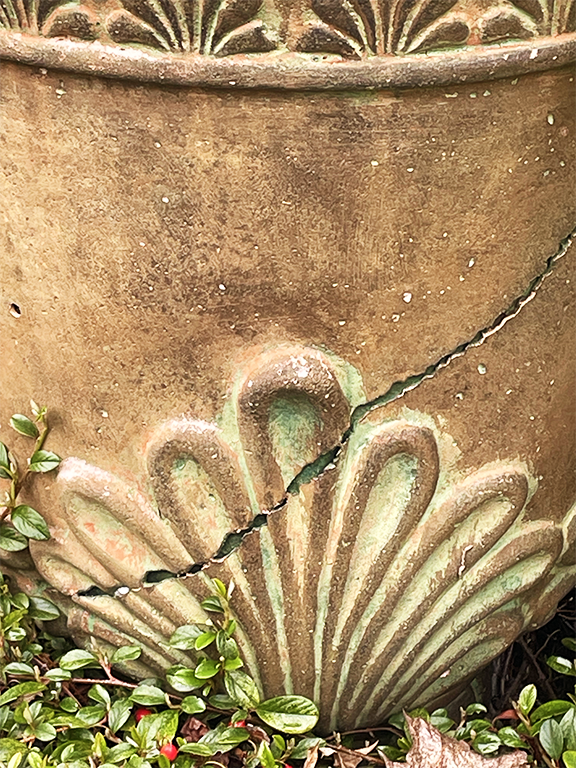
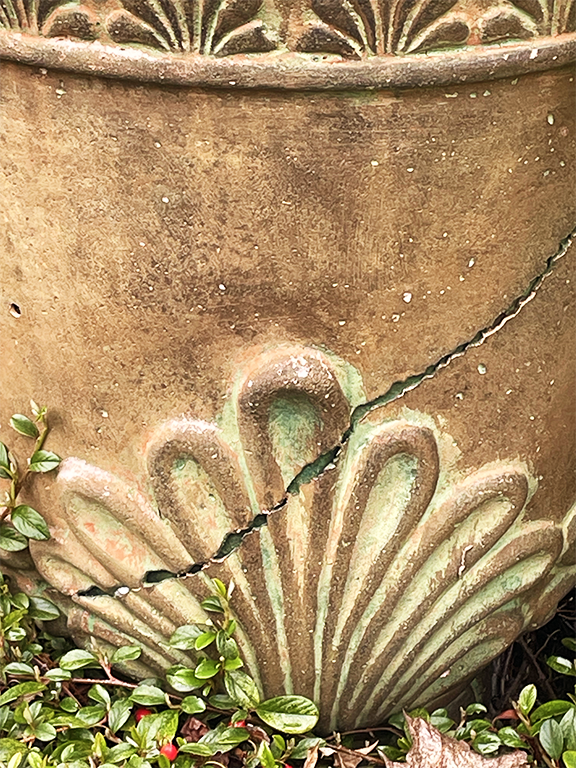
Living exclusively within inflexible and inauthentic cultural boundaries can cause foundations to crack.
Introduction
This is the fourth of a seven-part series on excavating our lived experiences. If you have not done so already, I suggest you first read Finding Foundation - The Lies I Tell Myself to get an overview of the work of excavating.
For those new to the Finding Foundations series, it may be helpful to review the following excerpt. For those who are following the series in chronological order, scroll down to the next paragraph to begin Part 4: Excavating Cultural Lies.
As laid out in the previous posts, we often are a sum of our lived experiences. Lived experiences are like layers of memories piled upon the foundation of who we are. Lived experiences and our memories of them have the potential to reconfirm our identity, or they have the potential to redefine our identity, burying who we are under layers of lies. We will excavate through the layers in chronological order, starting with the first movements of self-persception: My Inheritance. I recommend you set aside a journal or other writing space (perhaps naming it Finding Foundation Journal) so that you can record your thoughts as they arise, no matter what the revelations expose. As memories are unearthed, prayerfully discern whether the memory and the emotions attached to it resonate with your core, or bring discord and dis-ease to your soul. Resonating memories may point to a truth to who you are, unearthing a piece of your foundation, while memories that lack peace may indicate a lie that has settled upon your soul, clouding your foundation.
Part 4: Excavating Cultural Lies
When one thinks of culture, the mind often classifies it as a set of traditions, beliefs and expressions outside of self - an entity that exists outside of the individual human person. Culture; however, is a collection of shared beliefs that starts with the micro to expand into the macro. It is an ever-shifting system of ideas that can be affected by the attitudes and habits of the individuals who live within it. Culture then becomes a daily experience of the multitude that can vastly shape and form those who live under its ever-reaching bounds. This is why we must give pause to ponder, examine and articulate what traditions, beliefs and expressions we choose to claim as our own, the ones destined for us by the Father of all Creation. The passive acceptance of culture can be detrimental to the fulfillment of our own particular and unique mission given to us by the Most Holy Trinity, our vocation.
To find our foundation, we must rediscover and courageously stand on the pillars of value and vocation given to us at the very moment we came into existence. This most holy inheritance must be excavated, reclaimed and boldly proclaimed to the world so that the great work of the Spirit can be fulfilled in us and through us. Our destiny is to co-create with our Creator so that the world can become one wrapped in a culture of Beauty, Goodness and Truth.
To begin this great work we must approach our examination with a posture of truth and docility so that the Spirit may reveal to us cultural lies that have infiltrated our own hearts and minds, for we live under many “Cultural Kingdoms” and may not immediately recognize their influence. Let us begin this great work with a prayer, an open heart and receptive mind.
____
Holy Spirit, Guest of my soul, Come.
May You gently reveal to me untruths;
Those which cloud my judgement,
Those which hinder my growth, and
Those which form patterns of thought that entomb my vocation.
I open my heart to you.
I come with a receptive mind.
I come to heal.
I come to stand on my foundation.
I come to You.
____
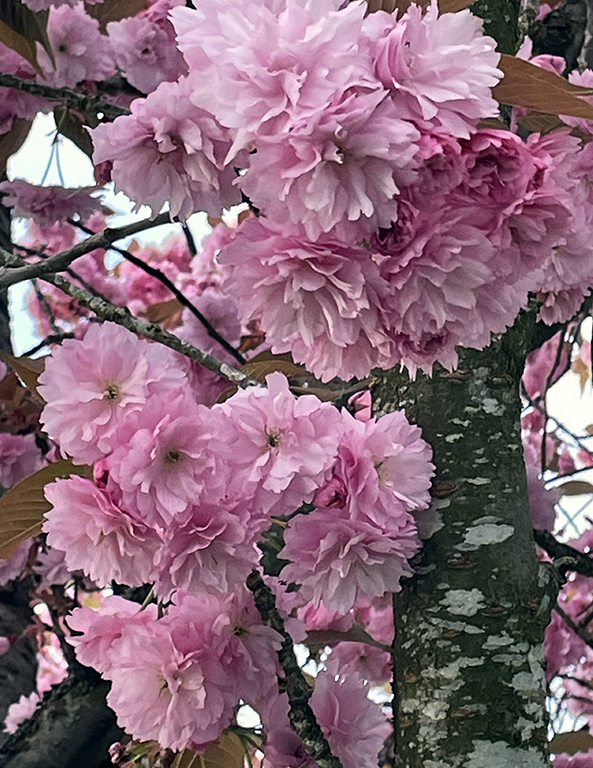
Softening ‘Cultural Bonds’ helps the soul blossom. The traditions, beliefs, expressions and talents that you claim and take with you on your journey through Finding Foundation will help you stand more firmly on the pillar of vocation
- Softening the Bonds of Tradition -
My Personal Traditions
Ritual - a practice or behavior that is inward-focused or sacred
Custom - a practice or behavior that is socially motivated
List rituals and/or customs I try to incorporate daily.
An example may be:
Each day I try to:
- Meditate
- Read/watch the news and worldly happenings
- Watch a program that is culturally relevant
- Light candles & turn on music before dinner to set the mood
- Write
- Read
- Walk
List rituals and/or customs I try to incorporate weekly.
An example may be:
Each week I try to:
- Go to church
- Meet friends for dinner or drinks
- Exercise at least 2-3 times
- Spend time in nature
- Attend a family dinner with mom and dad
List rituals and/or customs I try to incorporate monthly.
An example may be:
Each month I try to:
- Volunteer
- Engage in a book club (or other club)
- Self-care (get my hair cut, a massage, nails done, etc.)
- Go on a weekend excursion
- Go to at least one concert, museum or city-wide event
List rituals and/or customs I try to incorporate yearly.
An example may be:
Each year I try to:
- Go on a retreat
- Throw a Holiday Party
- Go to Mardi Gras (or any social festival people in your location typically celebrate)
- Visit long-distance family
- Go on a week-long vacation
_______
My Traditions vs. Cultural Kingdoms
Go through your list of My Traditions. As you read through each one, decide which Cultural Kingdom your ritual/custom falls under. If you notice the listed ritual/custom has no classification, underline it, as it may indicate or give clue to a personal ritual or custom that has blossomed out of your unique vocation.
Another movement of the soul to anticipate is: If a ritual or custom resonates with your spirit, even if it also falls under a Culture Kingdom, you should also underline it as you may have been attracted to certain types of cultural traditions that also align with your personal vocation. Another thing to consider is that your personal vocation may also be mirrored in your family and religious Culture Kingdoms, as oftentimes one’s generational inheritance echoes rhythms of one’s unique vocation.
A simple way to make notations to your My Traditions list is to indicate the Cultural Kingdom with the following coding system:
The Family Cultural Kingdom - F
These are rituals/customs that have originated from your familial upbringing.. They may or may not have been passed down through the generations and may or may not be unique to your particular family. They are; however, rituals and customs that you once shared with your parents and siblings and/or extended family.
The Spiritual/Religion Culture Kingdom - S
These are rituals/customs that have originated from your spiritual/religious upbringing. They may or may not have been passed down through the generations and may or may not be unique to your particular family. They may also be spiritual practices or a religion that you do not share with your family but one you now consider sacred and/or important to you.
The Education/Collegiate Culture Kingdom - E
These are rituals/customs that have originated from your education, both formal (school/college) and informal (hobbies and interests that you now study and/or engage in).
The Generational Culture Kingdom - G
These are rituals/customs that have originated from your peer group. They may be indicated by their cultural expressions, such as: music taste, fraternal gatherings, actions unique to your generation.
The Neighborhood Culture Kingdom - N
These are rituals/customs that have originated from the type of neighborhood of your upbringing or the type of neighborhood you currently live in. (suburban, rural, inner-city, metroplex, town, etc.)
The Regional Culture Kingdom - R
These are rituals/customs that have originated from the area of your upbringing or area you currently live in. (rituals/customs of your state, region or country)
*Do not forget to underline particular rituals/customs that just “feel right” to you, regardless of what Culture Kingdom it may have originated from.
A Closer Look
— Softening the Bonds of Belief —
My Personal Beliefs
Beliefs - ideas about what is right and wrong that form an identity
List the values and beliefs I live by. What are my most important belief systems?
Some personal beliefs may be:
*This is just to get you started - the list of personal beliefs could be a mile long!
- People are inherently good.
- Everyone deserves a chance.
- People are innocent until proven guilty.
- Live and let live.
- God is the Creator but not a Father.
- God is Creator and a Loving Father.
- A personal relationship with Jesus Christ is foundational.
- Everyone deserves to be happy.
- Obtaining peace and harmony is of utmost importance.
- Church and state should be separated.
- The government has a responsibility to support its people.
- The collective good is more important than individual liberty.
- Clear communication is kind.
- The Earth belongs to everyone.
- (Insert religion) is the true expression of faith.
- Work/life balance is a right.
- Everything in moderation.
- Spirituality can be separated from religion.
- It’s better to be polite than rude.
- The Sabbath rest must be protected and observed.
- We should be tolerant and accepting of everyone.
- Conservation of natural resources is of utmost importance.
- Community is the key to survival.
- A nation should have a unified religious creed.
- Religion is the source of all war.
- Freedom of speech and expression should never be undermined.
- There are no illegal people.
- All people deserve an equal opportunity.
- Unity with God is possible.
- Worker’s rights should be protected.
- Giving minorities voice and choice is a priority.
- Education and formation is a fundamental right.
- Justice is detaining those who harm others
- Written/artistic expression should always be honored and upheld.
- The powerful must protect the weak.
______
My Beliefs vs. Cultural Kingdoms
Go through your list of My Beliefs. As you read through each one, decide which Cultural Kingdom your belief falls under. If you notice the listed belief has no classification, underline it, as it may indicate or give clue to a personal belief that has blossomed out of your unique vocation.
Another movement of the soul to anticipate is: If a belief resonates with your spirit, even if it also falls under a Culture Kingdom, you should also underline it as you may have been attracted to certain types of cultural beliefs that also align with your personal vocation. Another thing to consider is that your personal vocation may also be mirrored in your family and religious Culture Kingdoms, as oftentimes one’s generational inheritance echoes rhythms of one’s unique vocation.
A simple way to make notations to your My Beliefs list is to indicate the Cultural Kingdom with the following coding system:
The Family Cultural Kingdom - F
These are beliefs that have originated from your familial upbringing. They may or may not have been passed down through the generations and may or may not be unique to your particular family. They are; however, beliefs that you once shared with your parents and siblings and/or extended family.
The Spiritual/Religion Culture Kingdom - S
These are beliefs that have originated from your spiritual/religious upbringing. They may or may not have been passed down through the generations and may or may not be unique to your particular family. They may also be a spiritual belief or a religious creed that you do not share with your family but one you now consider sacred and/or important to you.
The Education/Collegiate Culture Kingdom - E
These are beliefs that have originated from your education, both formal (school/college) and informal (hobbies and interests that you now study and/or engage in).
The Generational Culture Kingdom - G
These are beliefs that have originated from your peer group. They may be indicated by their cultural expressions, such as: political, artistic or environmental movements.
The Neighborhood Culture Kingdom - N
These are beliefs that have originated from the type of neighborhood of your upbringing or the type of neighborhood you currently live in. (suburban, rural, inner-city, metroplex, town, etc.)
The Regional Culture Kingdom - R
These are beliefs that have originated from the area of your upbringing or area you currently live in. (the underlying cultural beliefs of your state, region or country)
*Do not forget to underline particular beliefs that just “feel right” to you, regardless of what Culture Kingdom it may have originated from.
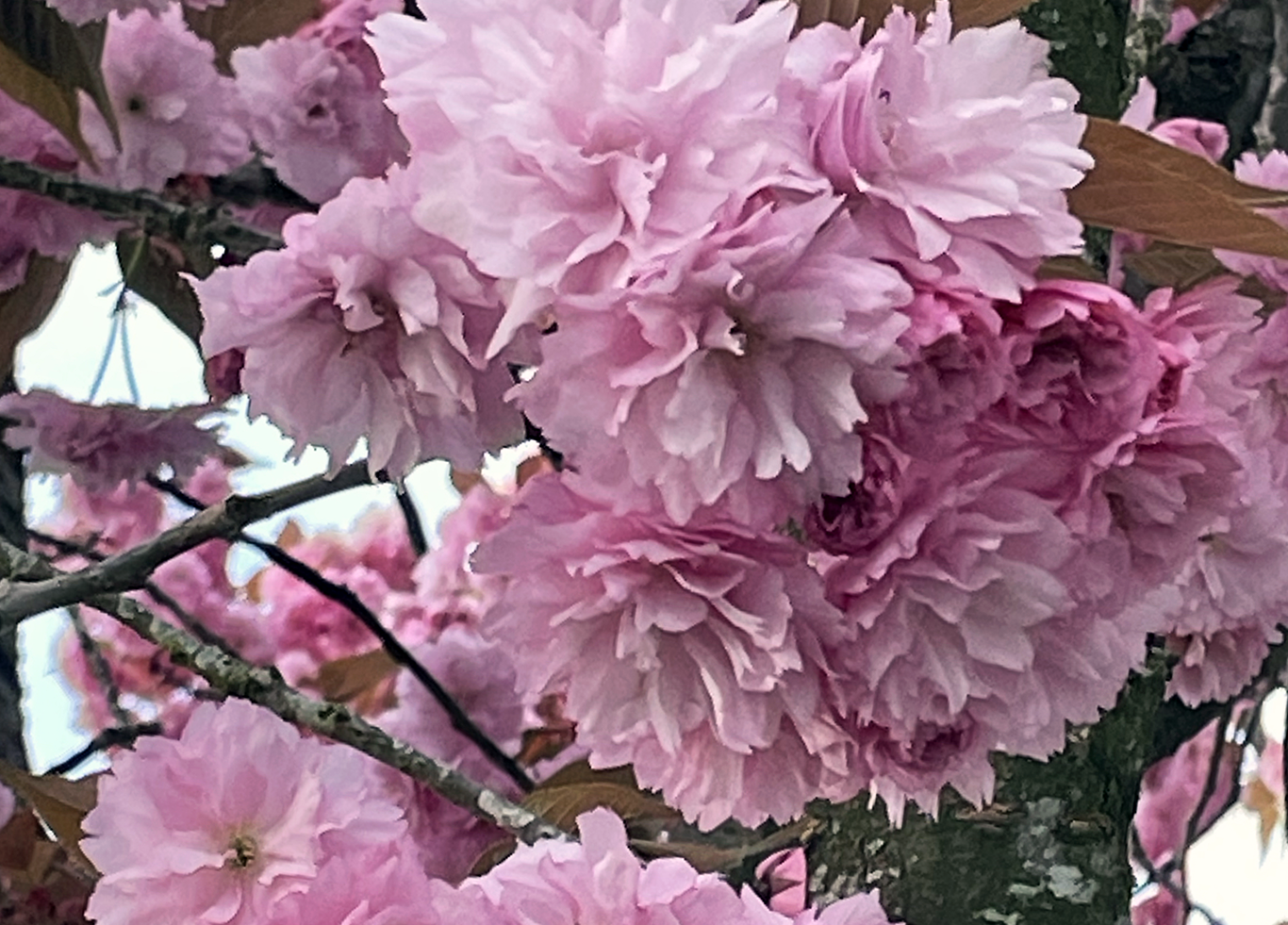
Together we create culture
Softening the Bonds of Expression
My Personal Expression
Expression - the manner in which beliefs and customs are manifested
Write down my preferred ways of expressing myself.
Some forms of expressions may be:
*This is just to get you started - personal expressions can be as unique as each individual and often encompass a variety of expressions to create a special form particular to you.
- Speaking
- Writing
- Painting
- Drawing
- Composing
- Singing
- Dancing
- Filming
- Photographing
- Designing
- Sculpting
- Sewing
- Building
- Questioning
- Analyzing
- Harmonizing
- Connecting
- Emphathizing
- Mirroring
- Animating
- Forming
- Creating
- Cooking
- Compiling
- Concocting
- Archiving
- Organizing
- Amplifying
____
My Natural Talents
Write down my natural talents.
Some talents may be:
*This list is just to get you started - personal talents can be as unique as each individual.
I am a(n):
- Caretaker
- Creator
- Writer
- Artist
- Communicator
- Analyzer
- Healer
- Teacher
- Formator
- Leader
- Mentor
- Counselor
- Harmonizer
- Producer
- Simplifier
- Nurturer
- Musician
- Manager
- Designer
- Humorist
- Orator
- Listener
- Linguist
- Empath
- Collaborator
- Ideator
- Negotiator
____
My Expressions & Talents vs. Cultural Kingdoms
Go through your lists of My Personal Expression and My Talents. As you read through each one, decide which Cultural Kingdom your expressions and talents fall under. If you notice the listed expression and/or talent has no classification, underline it, as it may indicate or give clue to a personal expression or talent that has blossomed out of your unique vocation.
Another movement of the soul to anticipate is: If an expression and/or talent resonates with your spirit, even if it also falls under a Culture Kingdom, you should also underline it as you may have been attracted to certain types of expressions and talents that also align with your personal vocation. Another thing to consider is that your personal vocation may also be mirrored in your family and religious Culture Kingdoms, as oftentimes one’s generational inheritance echoes rhythms of one’s unique vocation.
A simple way to make notations to your My Personal Expression and My Talents list is to indicate the Cultural Kingdom with the following coding system:
The Family Cultural Kingdom - F
These expressions and/or talents originated from your familial upbringing. They may or may not have been passed down through the generations and may or may not be unique to your particular family. They are; however, expressions and/or talents that you share with your parents, siblings and/or extended family.
The Spiritual/Religion Culture Kingdom - S
These expressions and/or talents originated from your spiritual/religious upbringing. They may or may not have been passed down through the generations and may or may not be unique to your particular family. They may also be a form of spiritual expression or a talent honored by a religion that you do not share with your family but one you now consider sacred and/or important to you.
The Education/Collegiate Culture Kingdom - E
These expressions and/or talents originated from your education, both formal (school/college) and informal (hobbies and interests that you now study and/or engage in). These expressions and/or talents may also hold importance in your current career.
The Generational Culture Kingdom - G
These expressions and/or talents originated from your peer group. They may have been formed or honed by the presence of cultural movements, such as: technological advances, shared ideological theories, etc.
The Neighborhood Culture Kingdom - N
These expressions and/or talents originated from the type of neighborhood of your upbringing or the type of neighborhood you currently live in. (suburban, rural, inner-city, metroplex, town, etc.) . They may have been formed or honed by your experience of community.
The Regional Culture Kingdom - R
These expressions and/or talents originated from the area of your upbringing or area you currently live in. They may have been formed or honed by your experience of community within the greater state, nation or region in which you live.
*Do not forget to underline particular expressions and/or talents that just “feel right” to you, regardless of what Culture Kingdom it may have originated from.
____
What deep and self-honoring work you have accomplished! It is good to go back through your lists to notice if there are any particularly Cultural Kingdoms which emerge more often than the others, as those may be the cultural spheres which you are most influenced by. Cultural influence is not necessarily a bad thing, as long as the culture honors the personal vocation which has been etched into your very being. Noticing, pondering and understanding is the great work of the Spirit and it is wise to take your findings to that still small cell of prayer where further revelations may be made known to you.
The traditions, beliefs, expressions and talents that you claim and take with you on your journey through Finding Foundation will help you stand more firmly on the pillar of vocation. Keep this list, and the Core Values of Esteem and Core Values of Self-Image near as you will reference them all in the next section on discernment of desires and aspirations.
Dear Excavator,
May the process of unearthing cultural lies bring you peace and give new life to the child born in the Crucible of Creation many years ago. You were made for greatness and have been given a most extraordinary inheritance through the Father of Creation. May you stand more firmly on the Pillar of Vocation as you better understand yourself, the world and your unique placement within the human family. May the foundational Pillars of Value and Vocation emerge more clearly to give you a strong reference point built on Truth and Goodness. Rest, Dear Excavator, in the dew of the Spirit so that refreshment, peace and hope may begin to reign in your heart.
Yours Truly,
Michelle